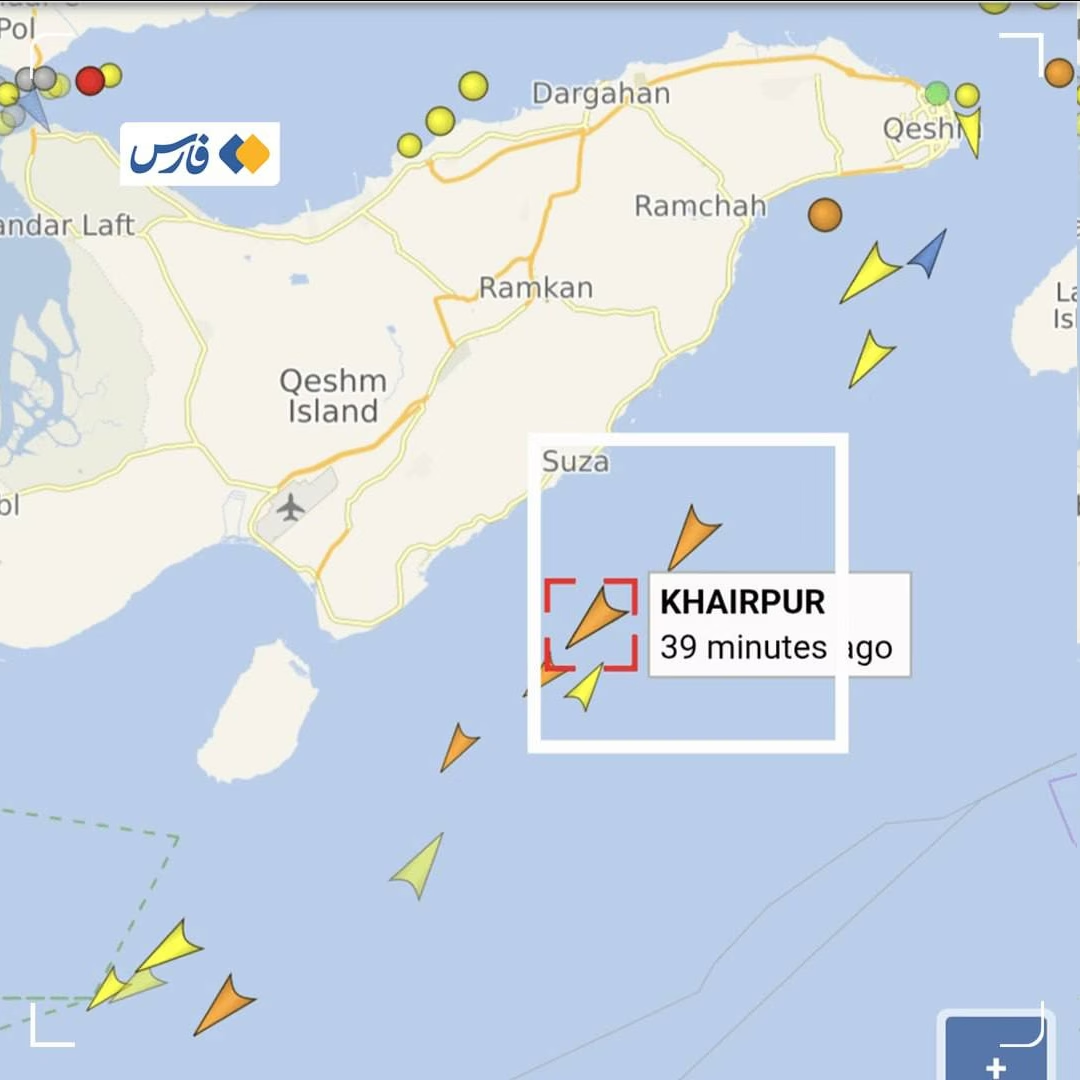

Washington has ordered an immediate naval blockade of the Strait of Hormuz. The dramatic escalation follows the collapse of twenty-one hour negotiations between American and Iranian delegations in Islamabad.
President Donald Trump announced the aggressive maritime intervention on Truth Social after talks failed to produce a breakthrough on nuclear enrichment and shipping lane disputes.
Tensions are now soaring across the Gulf region as military forces on both sides prepare for potential confrontation.
President Trump declared that American warships will immediately commence a comprehensive blockade of the strategic Strait of Hormuz. The commander in chief accused Tehran of operating an extortion racket against commercial vessels traversing the vital waterway.
“I have also instructed our Navy to seek and interdict every vessel in International Waters that has paid a toll to Iran. No one who pays an illegal toll will have safe passage on the high seas,”
Trump wrote on his Truth Social platform.
“other Countries will be involved with this Blockade.”
The president added that naval forces would commence destruction of Iranian mining operations throughout the critical chokepoint.
“will be BLOWN TO HELL!”
Trump warned regarding any Iranian forces attempting to interfere with the mine sweeping mission. Central Command confirmed that destroyers USS Frank E. Petersen and USS Michael Murphy have already transited the strait and commenced operations within the Arabian Gulf.
The administration has framed the intervention as necessary to protect international commerce from predatory fee collection schemes.
Tehran has long defended its charging practices as standard sovereignty rights exercised by coastal nations worldwide.
Diplomatic Breakdown
Twenty-one hours of intensive negotiations between American and Iranian delegations concluded in Islamabad without producing a settlement agreement.
Vice President J.D. Vance led the United States team which included Special Envoy Steve Witkoff and presidential advisor Jared Kushner. Vance insisted that American representatives approached the table with honest intentions during the marathon session.
“negotiating in good faith”
he stated regarding Washington’s position.
“as clear as we possibly could,”
Vance said regarding red lines, adding that Iran has
“chosen not to accept our terms.”
Foreign Ministry spokesperson Esmaeil Baghaei acknowledged limited headway on peripheral matters but admitted persistent divisions remain.
“two or three key points.”
Baghaei cited these as the remaining obstacles to consensus.
An unnamed source connected to Tehran’s delegation informed Fars news agency that Washington manufactured pretexts for withdrawal.
“looking for an excuse”
the source claimed regarding American motives.
Trump specifically criticized Iranian inflexibility regarding nuclear fuel processing capabilities.
“were very unyielding”
he characterized Tehran’s stance.
“single most important issue”
Trump identified uranium enrichment as this crucial sticking point for American security interests.
American negotiators had sought comprehensive restrictions on Tehran’s centrifuge operations and uranium stockpile limitations. Iranian representatives countered that peaceful nuclear energy development represents an inalienable right for sovereign nations.
Military Mobilization
The Israeli Defense Forces have reportedly shifted to an elevated alert posture amid fears of renewed hostilities.
“heightened state of readiness”
Israeli media described this as the current status for their military apparatus.
Iranian military spokesperson Ebrahim Zolfaghari rejected American assertions about minesweeping activities. Zolfaghari maintained that Tehran retains sovereign authority over all maritime traffic seeking passage.
He insisted that international vessels must obtain explicit permission from Iranian armed forces before navigating the strait. Despite the diplomatic impasse, a fragile ceasefire across Gulf waters continues to hold for now. Both delegations have departed Pakistan, with Iranian officials indicating no appetite for further negotiation rounds.
The Trump administration appears prepared to enforce its new maritime policy unilaterally if necessary.
Regional analysts fear that the blockade strategy could trigger immediate clashes between naval forces. Commercial shipping companies now face uncertainty regarding insurance coverage and routing schedules.
Energy markets are bracing for potential supply disruptions from the world’s most important oil transit corridor. The situation remains volatile.
Strategic Consequences
The confrontation threatens to disrupt approximately twenty percent of global petroleum shipments that traverse the narrow waterway daily. Industry experts warn that prolonged closure could trigger dramatic price spikes across international energy markets.
Maritime insurers are already reassessing risk premiums for tankers operating throughout the Persian Gulf region. Several major shipping conglomerates have suspended new bookings through the affected corridor pending clearer guidance from naval authorities.
The aggressive posture represents a sharp escalation from previous American policy regarding freedom of navigation operations. Tehran considers the toll system legitimate compensation for maintaining security throughout its territorial waters.
Iranian commanders have previously threatened asymmetric responses against superior naval forces entering their operational zone. Analysts suggest that coalition participation remains uncertain despite presidential claims of multinational involvement.
European allies have expressed concern about the legality of unilateral blockades under international maritime conventions. The coming days will likely determine whether this brinkmanship leads to direct military exchange or renewed diplomatic overtures.