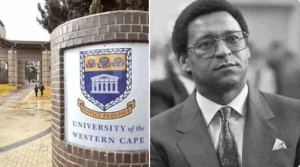
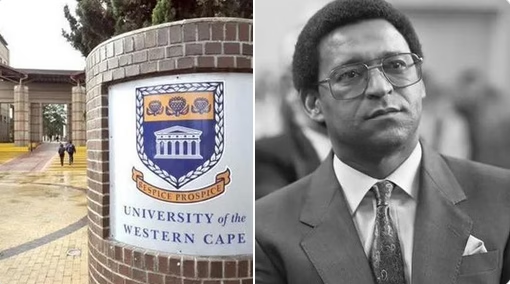
A proposal to rename the University of the Western Cape in honour of renowned liberation theologian Allan Boesak is gathering support as he celebrates his 80th birthday. The initiative aims to acknowledge Boesak’s significant contributions to both South African society and the academic landscape. The timing of the proposal has sparked renewed discussion about the university’s legacy and its role in the country’s history.
Proposal Gains Support Among Stakeholders
The suggestion to rename the institution as Allan A Boesak University has been formally submitted to relevant authorities. Advocates of the change believe it would serve as a fitting tribute to Boesak’s lifelong dedication to justice and education. The proposal has prompted conversations among students, faculty, and alumni about the university’s identity.
Some members of the university community have expressed enthusiasm for the idea, citing Boesak’s influence on social transformation. Others are considering the implications of such a change for the institution’s branding and heritage. The debate reflects broader questions about how South African universities commemorate figures from the country’s past.
Allan Boesak’s Enduring Legacy
Allan Boesak is widely recognised for his role in the anti-apartheid movement and his work as a liberation theologian. His efforts have left a lasting mark on both religious thought and political activism in South Africa. Boesak’s 80th birthday has provided an opportunity for reflection on his achievements and ongoing relevance.
Supporters of the renaming proposal highlight Boesak’s commitment to social justice and his impact on generations of students and activists. One advocate stated,
“recognising his profound impact on South African society and academia.”
The proposal is seen by many as a way to honour his legacy in a tangible and enduring manner.
University Community Weighs The Decision
The university’s leadership is expected to consult widely before making any final decision regarding the name change. Input from various stakeholders, including staff, students, and external partners, will be considered as part of the process. The outcome could set a precedent for how other institutions approach similar proposals in the future.
While some have raised questions about the practical aspects of renaming, others are focused on the symbolic value of the gesture. The discussion continues to evolve as more voices join the conversation. The university’s response will likely reflect both its historical roots and its vision for the future.